


Religious Education & Worldviews
Ofsted on Religious Education
Three key highlights from the Ofsted 2024 Religious Education (RE) Subject Report – “Deep and Meaningful?”
1. Ambitious Curricula Lead to Deeper Learning
Where schools prioritised depth over breadth, pupils demonstrated greater retention and understanding. Thoughtful selection of content—focusing on key narratives, texts, and traditions—helped students engage meaningfully with complex religious and non-religious worldviews
2. RE as a Gateway to Understanding a Complex World
RE plays a unique role in helping pupils make sense of a diverse and multi-religious society, enabling them to explore deep questions, foundational texts, and the lived experiences of people of faith and belief. This positions RE as a vital subject for personal development and cultural understanding.
3. Strong Teaching Makes a Difference
Schools with strong teacher subject knowledge, access to professional development, and well-organised curricula were more likely to deliver high-quality RE. These factors enabled pupils to deepen their understanding term by term, showing the power of investing in RE expertise.
Religious Education at Holy Trinity CE Primary Academy
At Holy Trinity Church of England Primary Academy, Religious Education (RE) is a foundational element of our curriculum, deeply interwoven with our Christian ethos and our curriculum drivers: Windows, Mirrors, and Doors. These principles guide our approach to RE, ensuring it is academically rigorous, spiritually enriching, and culturally responsive.
RE is valued equally alongside core subjects such as reading, writing, and mathematics. It plays a vital role in shaping pupils’ understanding of themselves, others, and the wider world—encouraging reflection, empathy, and aspiration.
Intent: Curriculum Drivers
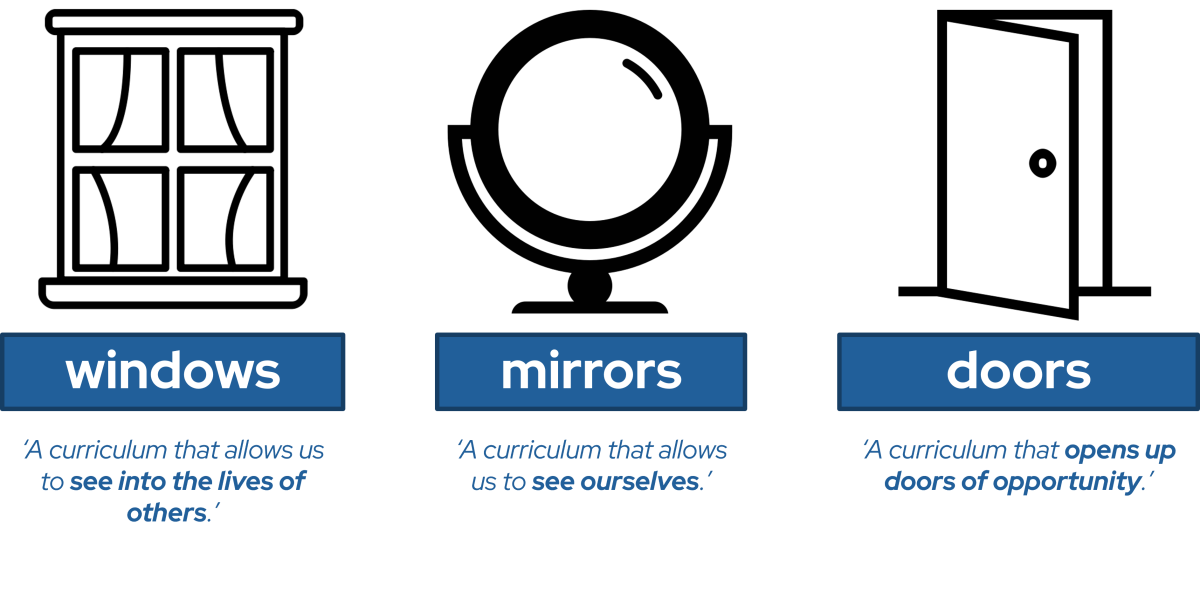
Our RE curriculum is shaped by the key drivers of Windows, Mirrors, and Doors, which reflect our commitment to a curriculum that is inclusive, aspirational, and rooted in faith.
Windows: RE provides pupils with a lens through which they can explore the lives, beliefs, and experiences of others. Through the study of diverse religious and non-religious worldviews—including Dharmic religions, Islam, Christianity, and spiritual traditions such as Rastafari—pupils gain insight into the global and local religious landscape.
Mirrors: Our curriculum reflects the identities and heritage of our pupils. We celebrate the rich cultural backgrounds of our community, including African, African-Caribbean, and South Asian traditions. Pupils encounter religious narratives and figures that resonate with their own experiences, fostering a sense of belonging and self-worth. Christianity and other religions and worldviews are taught in their global context.
Doors: RE opens up opportunities for pupils to engage with big questions about life, meaning, and purpose. Our knowledge-rich curriculum encourages deep theological, philosophical, and ethical thinking. Through structured learning and critical reflection, pupils develop the skills and understanding needed to navigate the complexities of the modern world. Enrichment opportunities such as visits to places of worship and oracy and debating further support pupils’ personal and academic growth.
The Enacted rE curriculum
- Early Years Foundation Stage (EYFS) and Year 1: Children begin their RE journey through teacher-led handbooks that introduce foundational religious stories and concepts. These early experiences nurture curiosity, empathy, and spiritual awareness in an age-appropriate way.
- Years 2 to 6: Pupils use bespoke RE workbooks that clearly define the knowledge and skills to be developed. Lessons are carefully sequenced and broken into manageable steps to support cognitive development. Regular retrieval practice ensures that key concepts are embedded and revisited, fostering long-term understanding and reflective thinking.
Each unit includes:
- Knowledge Organisers – outlining essential facts and concepts
- Pre- and Post-Unit Assessments – measuring progress and informing teaching
- KWL Grids – activating prior knowledge and tracking learning
- Key Vocabulary and Active Practice – supporting language development and understanding
- Graphic Organisers – summarising learning visually
- Retrieval Stimuli– reinforcing retention through retrieval practice
- Essays – assessing understanding through extended writing
So, what does this mean?
Pupil outcomes in RE books demonstrate a broad and balanced curriculum and strong acquisition of key knowledge. Children reflect on their learning at the end of each session through exit tickets, they have regular opportunities to refine their personal worldview and evaluate their progress at the end of each unit. Final essays showcase the depth of understanding and the journey of learning across each topic.
Religious Themes – ‘Big Ideas’
There are four substantive themes that reoccur throughout our Religious Education and Worldviews curriculum, which enables understanding to be deepened with age. These themes are:
- Stories and Narratives
- Doctrines
- Rituals and Practices
- Metaphysics
Each RE lesson is based around at least one of these four ‘big ideas’ or themes.
Disciplinary Knowledge –
Our RE curriculum is underpinned by four reoccurring disciplines that help us to investigate and understand the beliefs, traditions and big questions in each faith area. These disciplines are:
- Theology
- Philosophy
- Human/social science
- History
Each RE lesson includes a focus on at least one of the above disciplines.
Weighting –
Each year group completes four in-depth units of study, each lasting for approximately 9 weeks. The world’s main religions are studied in depth, according to the following weighting:
Christianity – 50% Judaism – 11% Islam – 11% Dharmic (Sikhi, Hinduism and Buddhism) – 21% Worldviews (including NRWV’s and Rastafari) – 7%
Concepts in Religious Education
Throughout their time at Holy Trinity, pupils experience an RE curriculum that is taught through a conceptual approach, rooted in our curriculum drivers: Windows, Mirrors, and Doors. Key theological and philosophical concepts are introduced, explored, and revisited throughout a pupil’s time at school. This ensures that children not only learn more but also remember more and see the world differently as their understanding deepens over time.
Each religion is studied through an overarching, key concept. For example:
Christianity is examined through core concepts such as incarnation and salvation.
Hinduism is explored through the concept of dharma (duty, righteousness, and moral order).
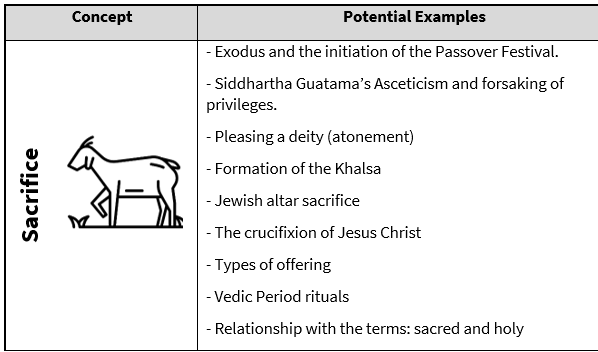
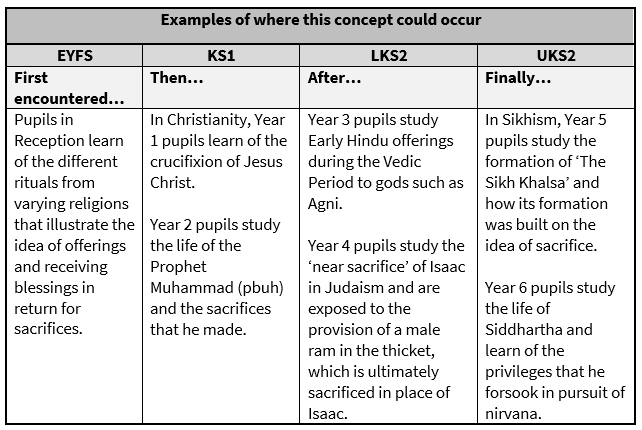
By returning to these concepts in different contexts and across different religions, pupils are exposed to the nuances of key concepts resulting in a lasting understanding of religion and belief.
Skills Progression Map
Knowledge Coverage Document
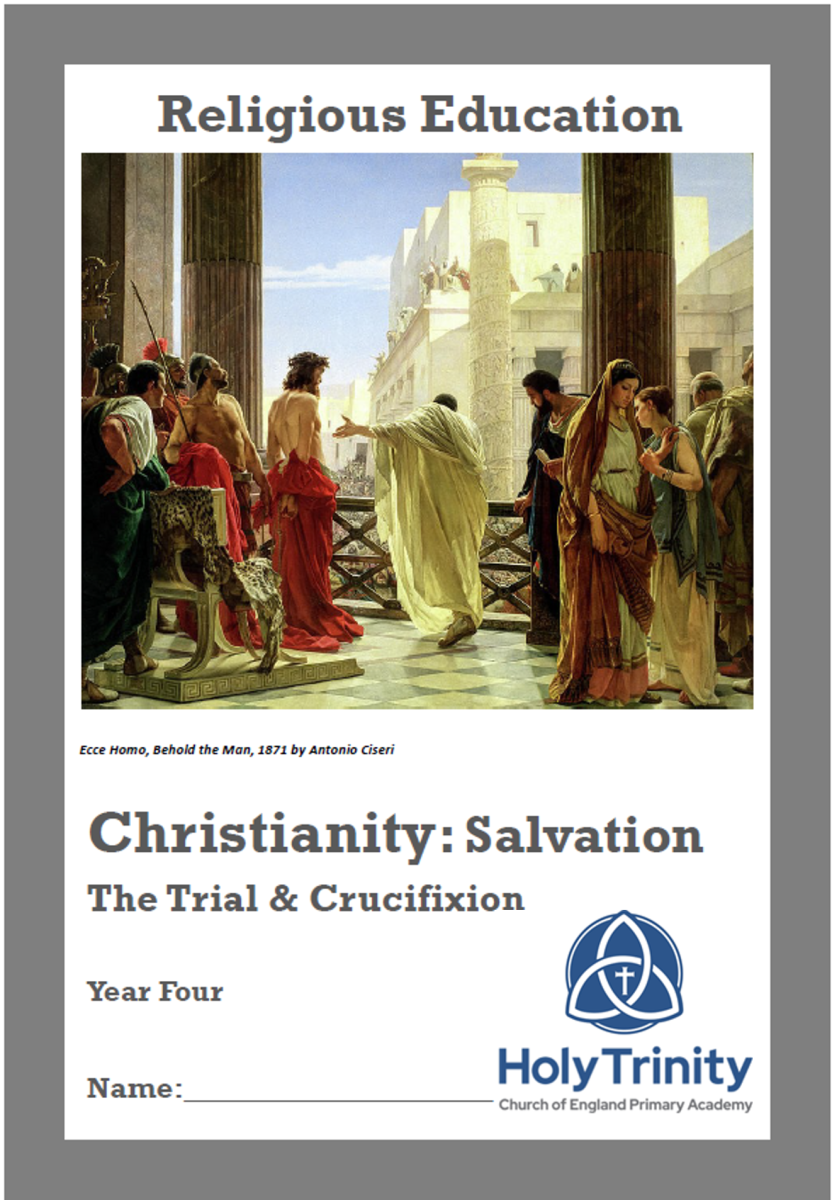
Example: Year 4 Unit on Christianity: Salvation – Trial & Crucifixion. All units have an accompanying ‘Knowledge Coverage’ document.
Religious Education and Worldviews Curriculum Overview
At Holy Trinity CE Primary Academy, our Religious Education and Worldviews curriculum is carefully sequenced to ensure progression in knowledge, understanding, and conceptual depth from Reception through to Year 6. Each year group explores key religious and non-religious worldviews through rich narratives, significant figures, and meaningful concepts. We have chosen to prioritise depth of learning with each year group studying four units over the course of an academic year and each of these units being studied for 9 weeks.
Reception
- Origin Stories
- Easter: Stories of Sacrifice – The Servant King
- Lost and Found – The Lost Sheep
- Journeys – Hinduism: Lakshmi Walks Through the Night; The Road to Damascus
Year 1
- Origin Stories
- Easter: Stories of Sacrifice – The King Has Come!
- Lost and Found – The Prodigal Son
- Journeys – Islam: The Night Journey; The Holy Spirit Arrives
Year 2
- Christianity: Incarnation – The Nativity
- Judaism: Covenant – The Law of Moses
- Christianity: Salvation – The Triumphal Entry
- Islam: Harmony – Makkah: The Holy City
Year 3
- Hinduism: Dharma – Puja
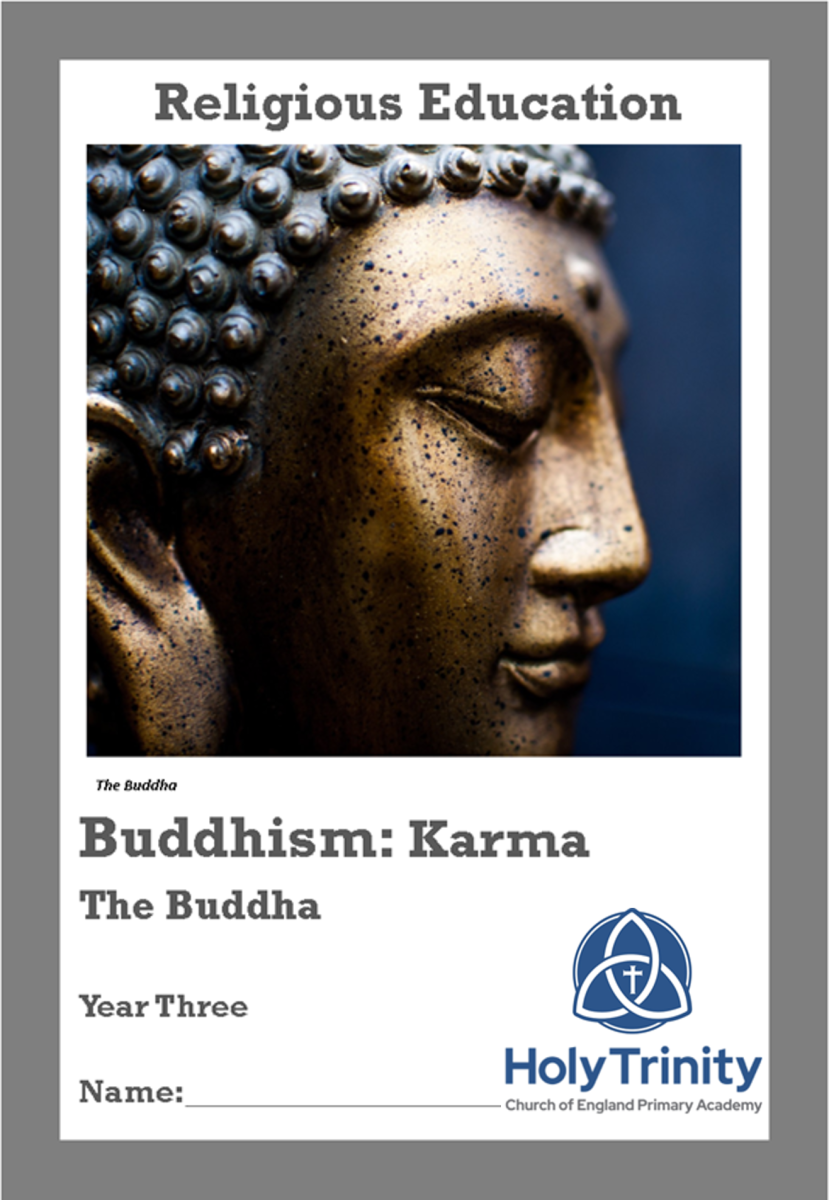
- Buddhism: Karma – The Buddha
- Sikhism: Oneness – Ik Onkar
- Non-Religious Worldviews – Life Without God
Year 4
- Christianity: Incarnation – The Trinity
- Judaism: Covenant – The Abrahamic Covenant
- Christianity: Salvation – The Trial and Crucifixion
- Islam: Ibadah – Islamic Worship
Year 5
- Hinduism: Dharma – What is Dharma?
- Buddhism: Karma – Achieving Nirvana
- Sikhism: Oneness – The Khalsa
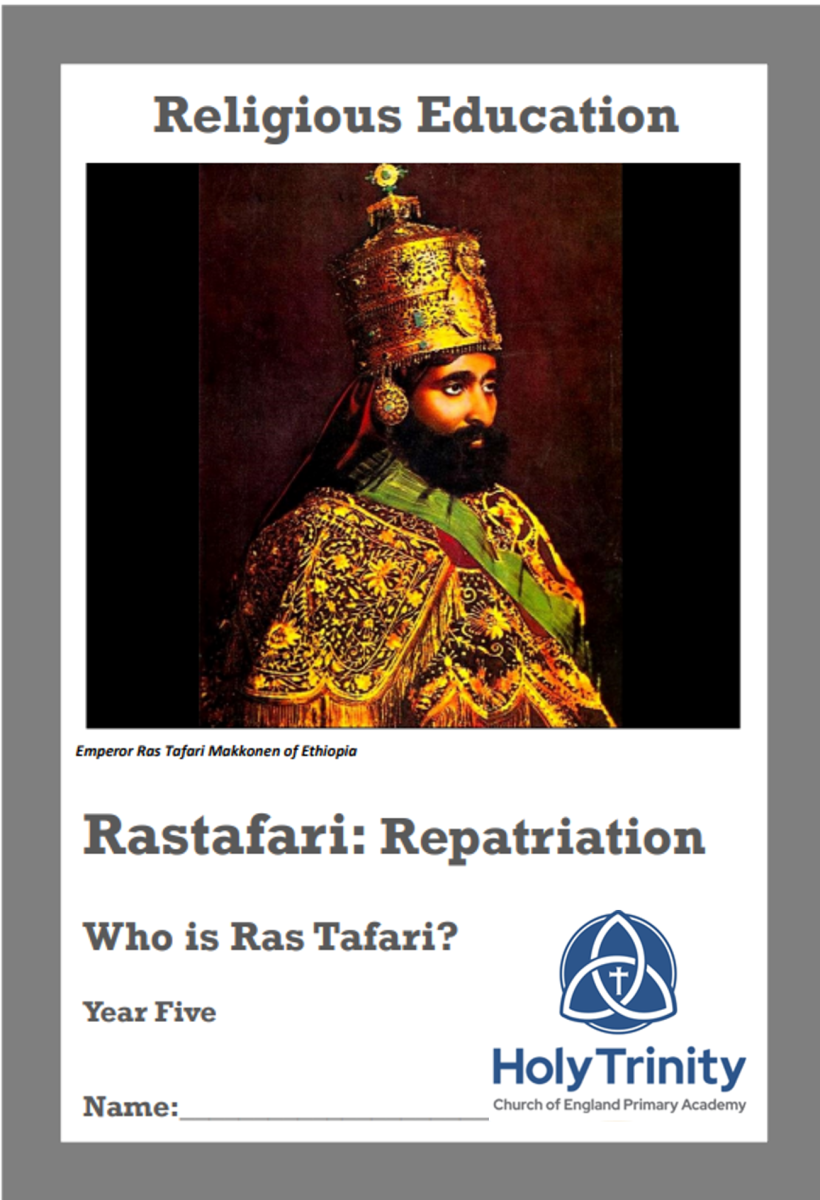
- Rastafari: Repatriation – Who is Ras Tafari?
Year 6
- Christianity: Incarnation – The Messiah
- Judaism: Covenant – The Israeli-Palestinian Conflict
- Christianity: Salvation – The Resurrection
- Islam: Harmony – Pilgrimage (Hajj)
Training and CPD in Religious Education
Holy Trinity Church of England Primary Academy is proud to lead subject networks and deliver subject-specific CPD (Continuing Professional Development) in Religious Education through the Birmingham Education Partnership. Our involvement ensures that our staff—and colleagues across the city—benefit from high-quality, research-informed training that enhances subject knowledge and pedagogy.
You can find more about our training offer here:
Parental Rights and RE Withdrawal
We fully respect the individual beliefs and values of our families. In line with statutory guidance, parents have the legal right to withdraw their child from Religious Education (RE) lessons, either partially or entirely.
If you wish to exercise this right, please notify the school in writing. We will ensure that your child is appropriately supervised during RE sessions. While alternative teaching is not provided during this time, pupils will be engaged in meaningful and purposeful educational activities.
If you would like to discuss this further or explore alternative arrangements, please contact the school office. We are always happy to support families in making informed decisions.