


History
History at Holy trinity cE Primary academy
At Holy Trinity Church of England Primary Academy, History is a vital part of our curriculum, closely aligned with our Christian ethos and curriculum drivers: Windows, Mirrors, and Doors. These principles shape our approach to teaching history, ensuring it is knowledge-rich, inclusive, and reflective of our diverse community.
History is valued alongside core subjects and plays a key role in helping pupils understand how the past has shaped the present. It encourages curiosity, critical thinking, and a deep appreciation of identity, culture, and change over time.
Intent: Curriculum Drivers
Our History curriculum is shaped by the key drivers of Windows, Mirrors, and Doors, supporting pupils to explore the past, reflect on their place in the world, and imagine their role in shaping the future.
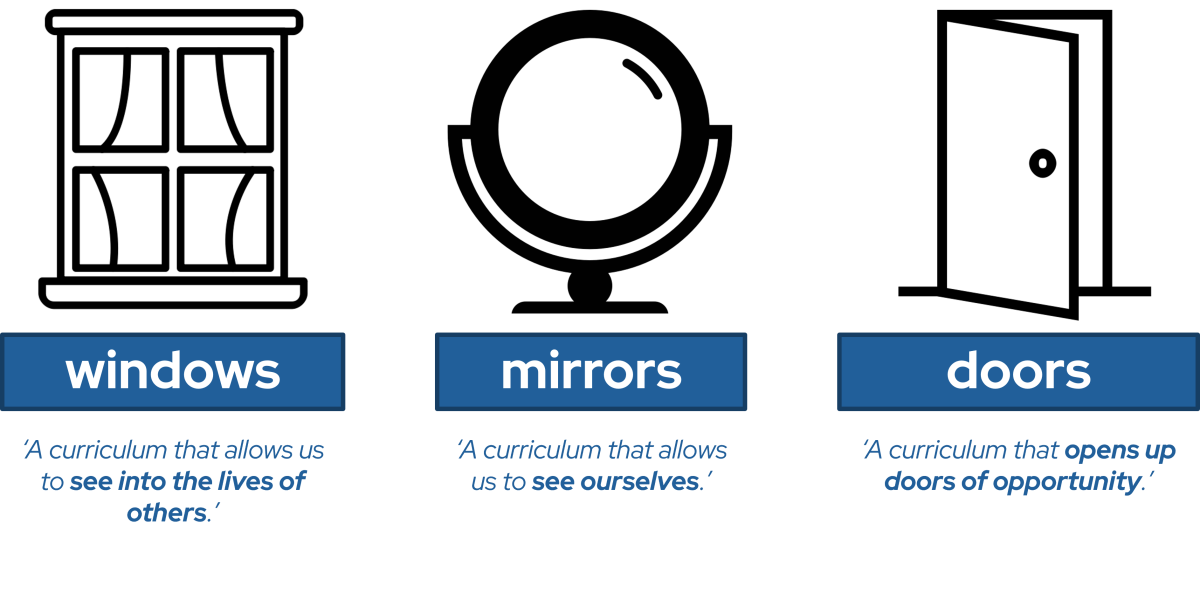
- Windows: History opens a window into the lives of people from different times and places. Pupils explore ancient civilisations, significant individuals, and key events across British and global history, gaining insight into how societies have evolved through migration, innovation, and belief.
- Mirrors: Our curriculum reflects the heritage and experiences of our pupils. We celebrate the contributions of diverse communities—including African, Caribbean, South Asian, and European cultures—to local and national history. Pupils see themselves in the stories we study, fostering pride, identity, and connection.
- Doors: History opens doors to critical thinking and meaningful discussion. Pupils engage with big questions about justice, leadership, and legacy. Through enquiry, debate, and creative expression, they develop the skills to analyse evidence, challenge assumptions, and understand the complexity of historical narratives.
The Enacted History curriculum
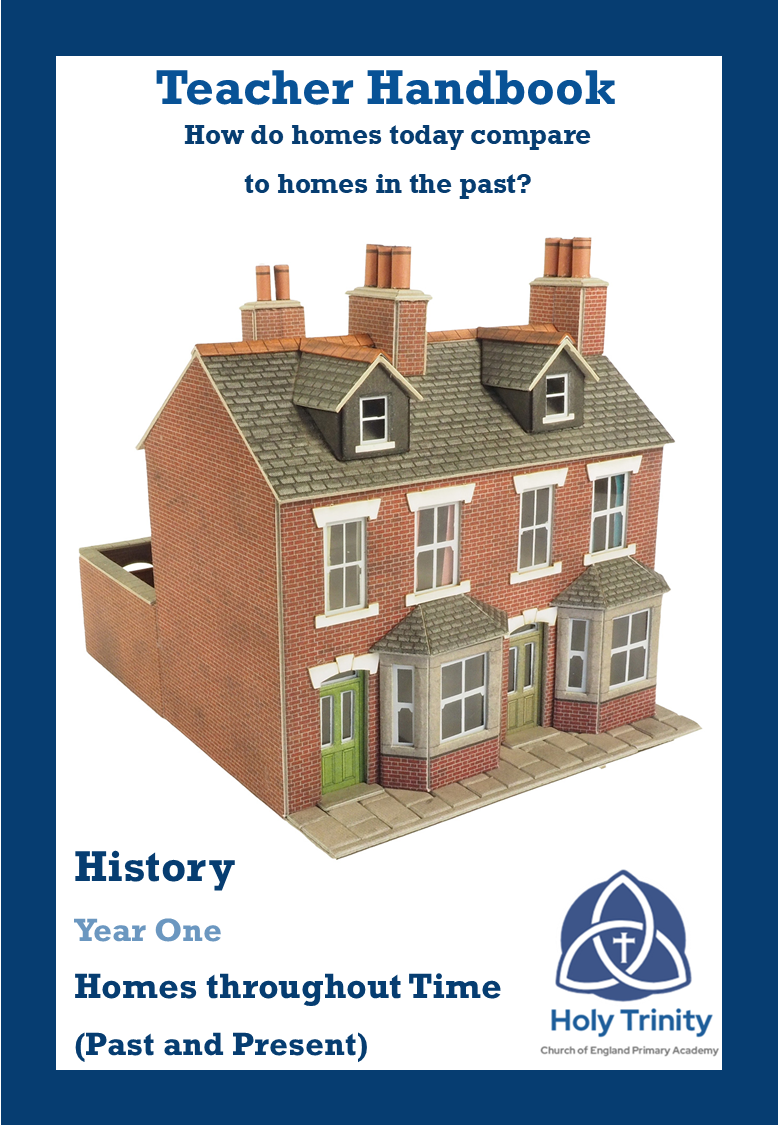
- Early Years Foundation Stage (EYFS) and Year 1: Pupils begin their historical journey through teacher-led handbooks by exploring familiar concepts such as homes throughout time and significant individuals. Learning is story-led, hands-on, and rooted in developing chronological understanding and historical vocabulary.
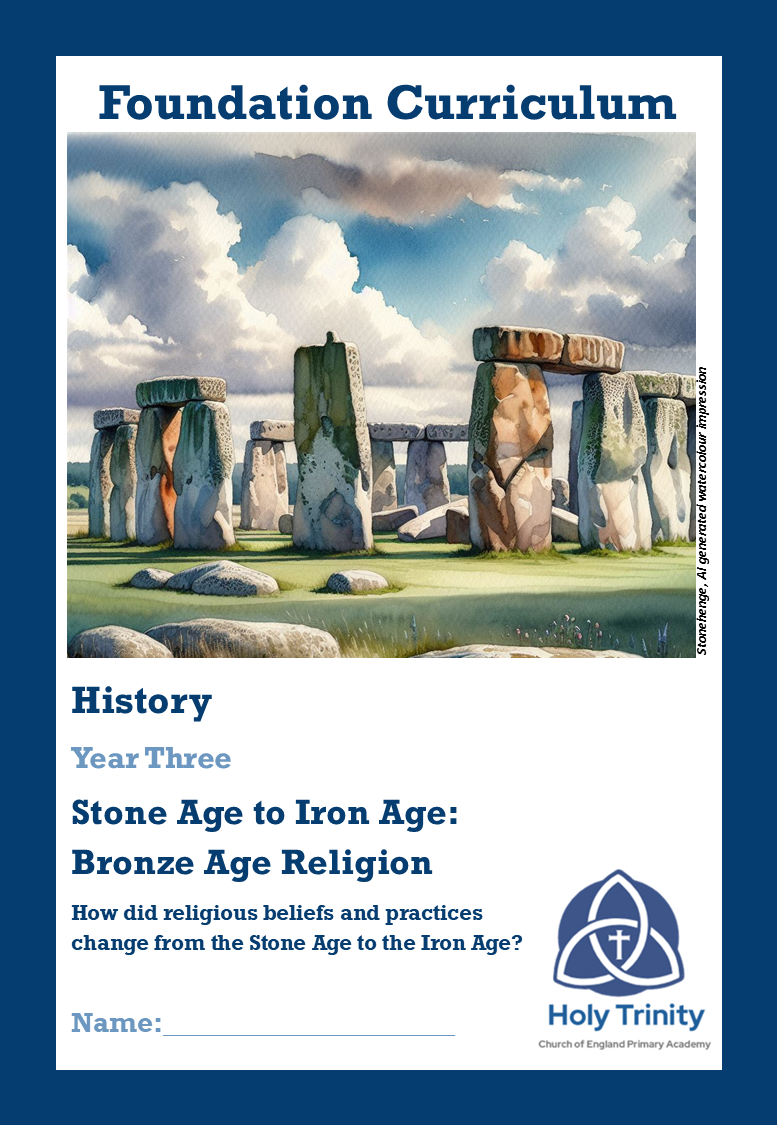
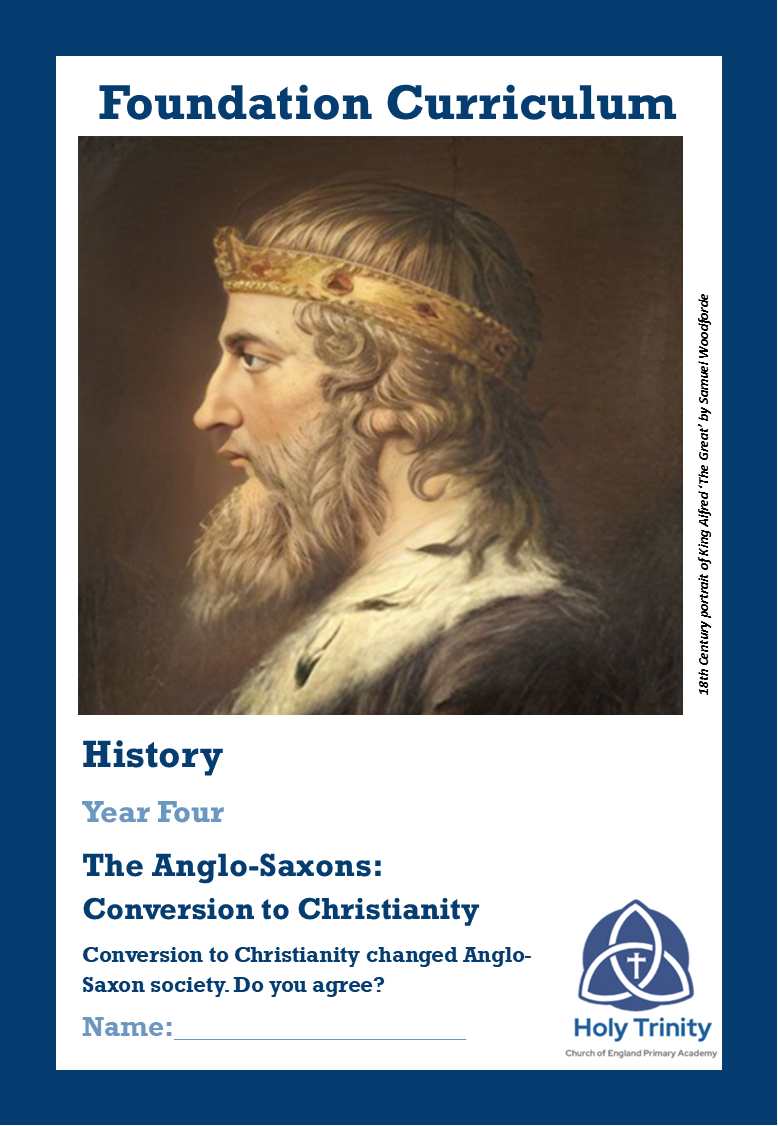
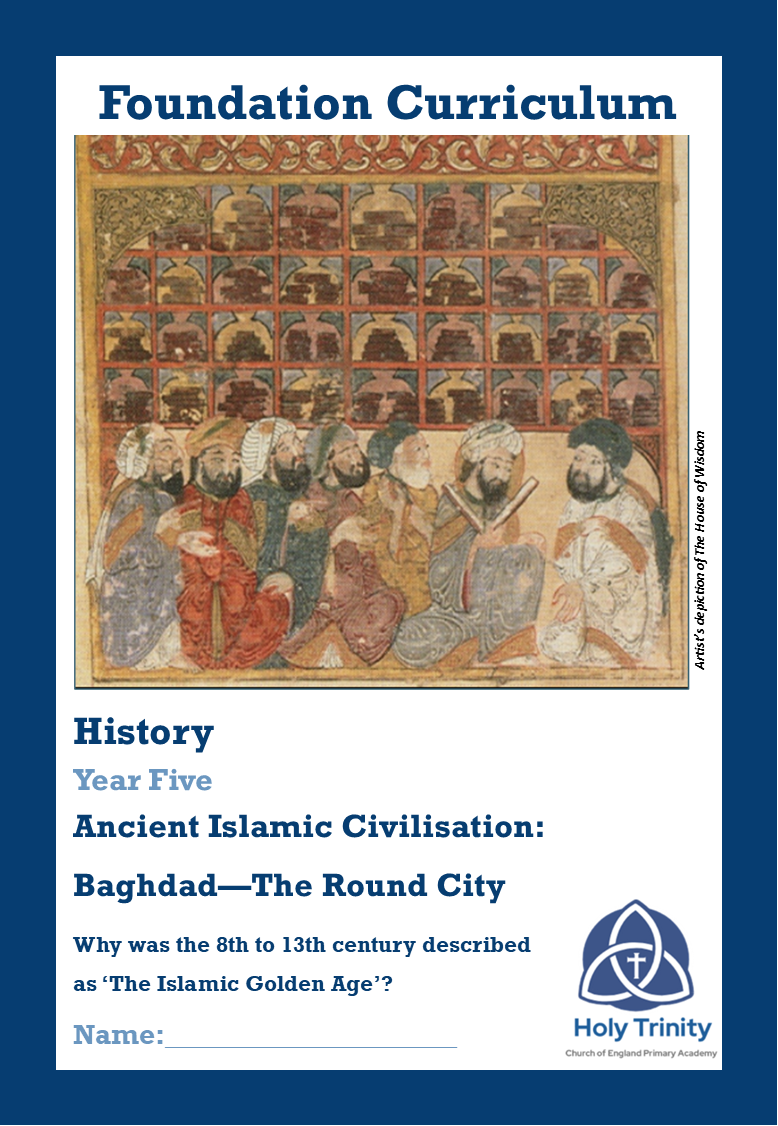
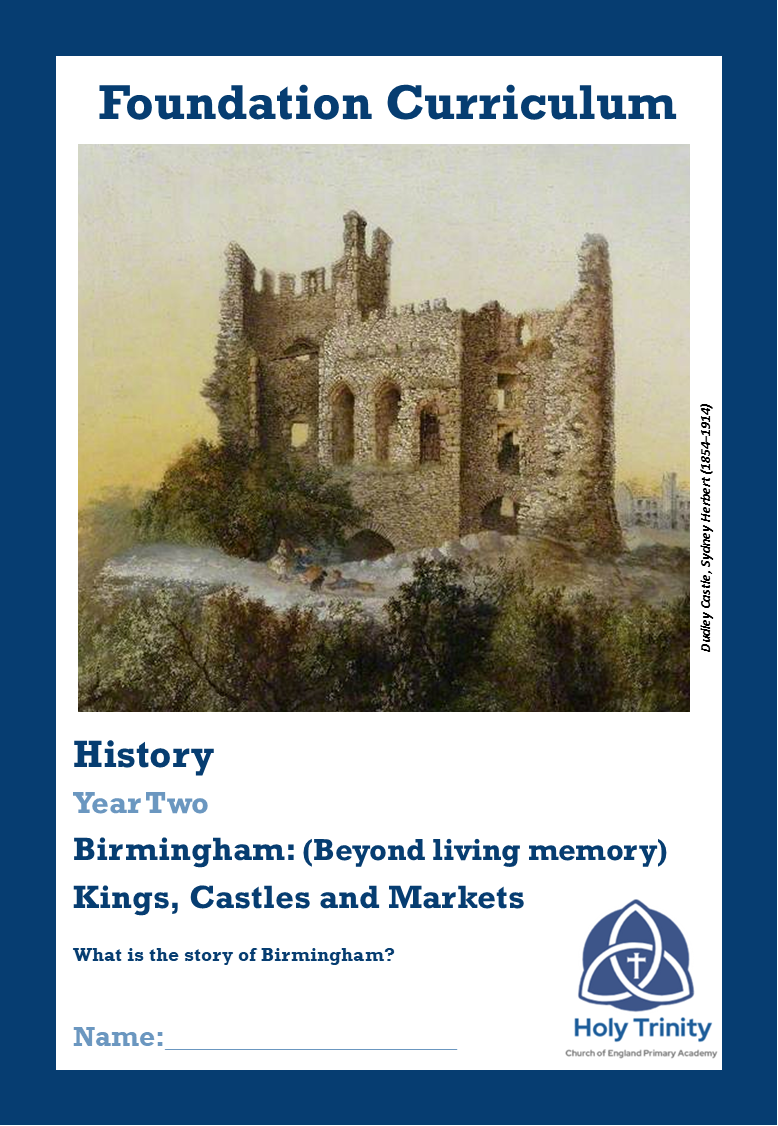
- Years 2 to 6: Pupils follow a carefully sequenced curriculum that builds historical knowledge and disciplinary skills. Units are codified into bespoke history workbooks, knowledge organisers, and retrieval activities that promote deep understanding and long-term retention.
Each unit includes:
- Knowledge Organisers – outlining essential facts and concepts
- Pre- and Post-Unit Assessments – measuring progress and informing teaching
- KWL Grids – activating prior knowledge and tracking learning
- Key Vocabulary and Active Practice – supporting language development and understanding
- Graphic Organisers – summarising learning visually
- Retrieval Stimuli– reinforcing retention through retrieval practice
- Essays – assessing understanding through extended writing
So, what does this mean?
Pupil outcomes in history books demonstrate a secure understanding of key historical concepts, events, and figures. Children can articulate how the past influences the present, they demonstrate empathy and critical thinking, and express their learning through discussion, writing, and debate. Their work shows progression in historical enquiry, interpretation, and communication, preparing them for further study and active citizenship.
Disciplinary and substantive knowledge
Thinking Like Historians: Disciplinary Lenses in History
At Holy Trinity CE Primary Academy, our History curriculum goes beyond learning facts and dates—it equips pupils with the tools to think like historians. Through key disciplinary lenses such as chronology, cause and consequence, change and continuity, significance, evidence, and interpretation, pupils learn how to investigate the past, ask meaningful questions, and understand how historical knowledge is constructed. These concepts help children explore not just what happened, but why it happened, how we know, and why it matters—building a deeper, more critical understanding of the world around them.
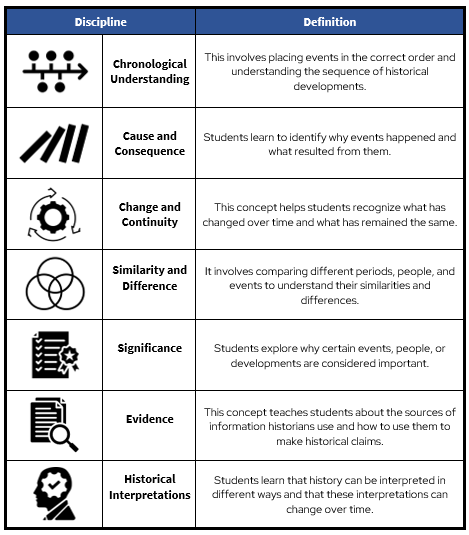
At Holy Trinity CE Primary Academy, our History curriculum is designed to help pupils think like historians. We embed key disciplinary lenses—also known as second-order concepts—throughout our teaching to deepen pupils’ understanding of how historical knowledge is formed. These concepts, such as chronology, cause and consequence, significance, evidence, and interpretation, shape the questions we ask about the past and how we organise and debate historical knowledge. They are essential for developing critical thinking, encouraging enquiry, and helping pupils move beyond learning what happened to understanding how and why it happened—and why it still matters today.
Exploring Key Historical Themes
At Holy Trinity CE Primary Academy, our History curriculum is structured around key historical themes that help pupils make meaningful connections across time, place, and culture. Inspired by national guidance and the work of leading educators, these broad themes—such as power and governance, belief and identity, innovation and change, and conflict and cooperation—provide a framework for exploring the complexity of historical events and developments. They support pupils in understanding how societies evolve, how ideas spread, and how people respond to challenges. By revisiting these themes across different units and year groups, pupils build a deeper, more coherent understanding of the past and its relevance to the present.
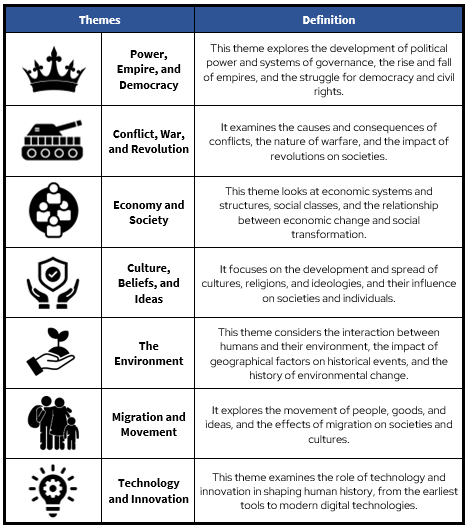
Our History curriculum helps pupils make sense of the past in a connected and meaningful way. These themes—such as power, belief, identity, innovation, and conflict—are woven throughout different units and year groups, allowing pupils to explore how ideas and experiences recur and evolve across time and place. The themes are not taught in isolation; they often overlap, creating a rich tapestry of interconnected narratives that deepen pupils’ understanding of historical complexity. This approach helps children see the relevance of history to their own lives and equips them to think critically about the past, present, and future.
The Importance of Local History
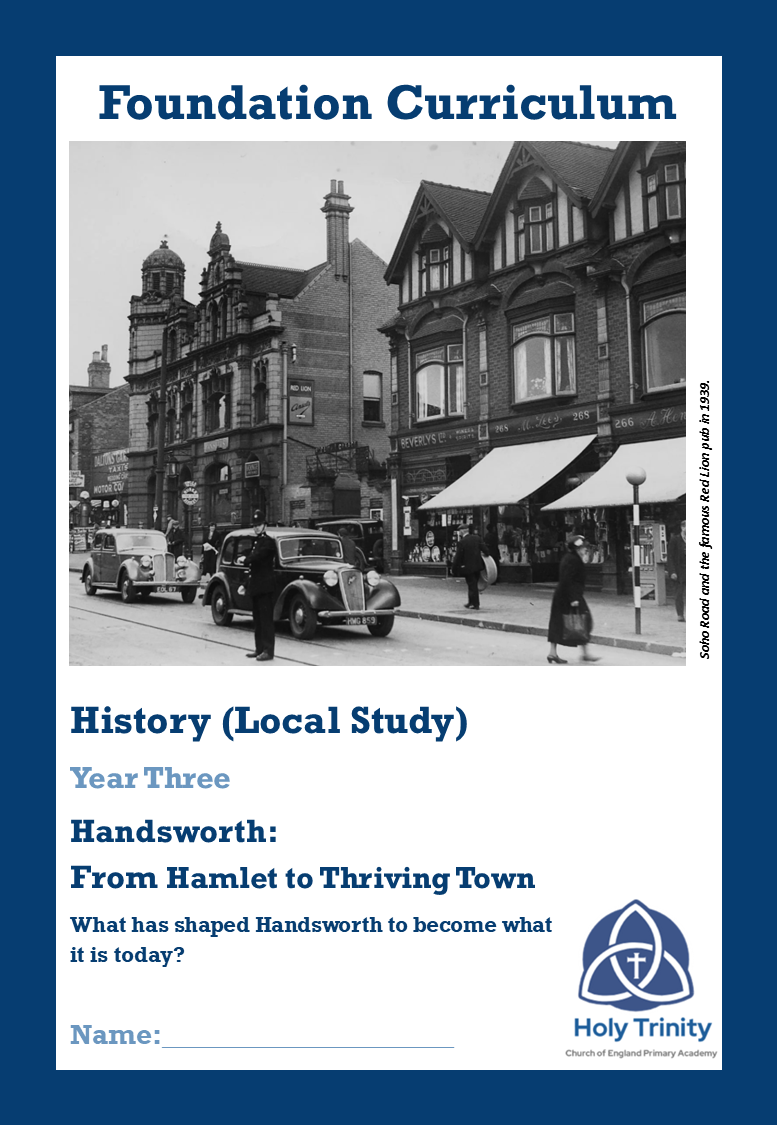
We place a strong emphasis on local history as a vital part of our pupils’ historical understanding and sense of identity. By exploring the rich heritage of our local area—including the transformation of Handsworth from a Saxon hamlet to a thriving urban community—pupils connect personally with the past and see how national and global events have shaped their own environment. Local history helps children appreciate the contributions of diverse communities, understand the impact of industry and migration, and recognise the significance of historical figures and landmarks in their everyday lives. It fosters pride, belonging, and curiosity, making history meaningful and relevant to all learners.
Black History: Avoiding Tokenism
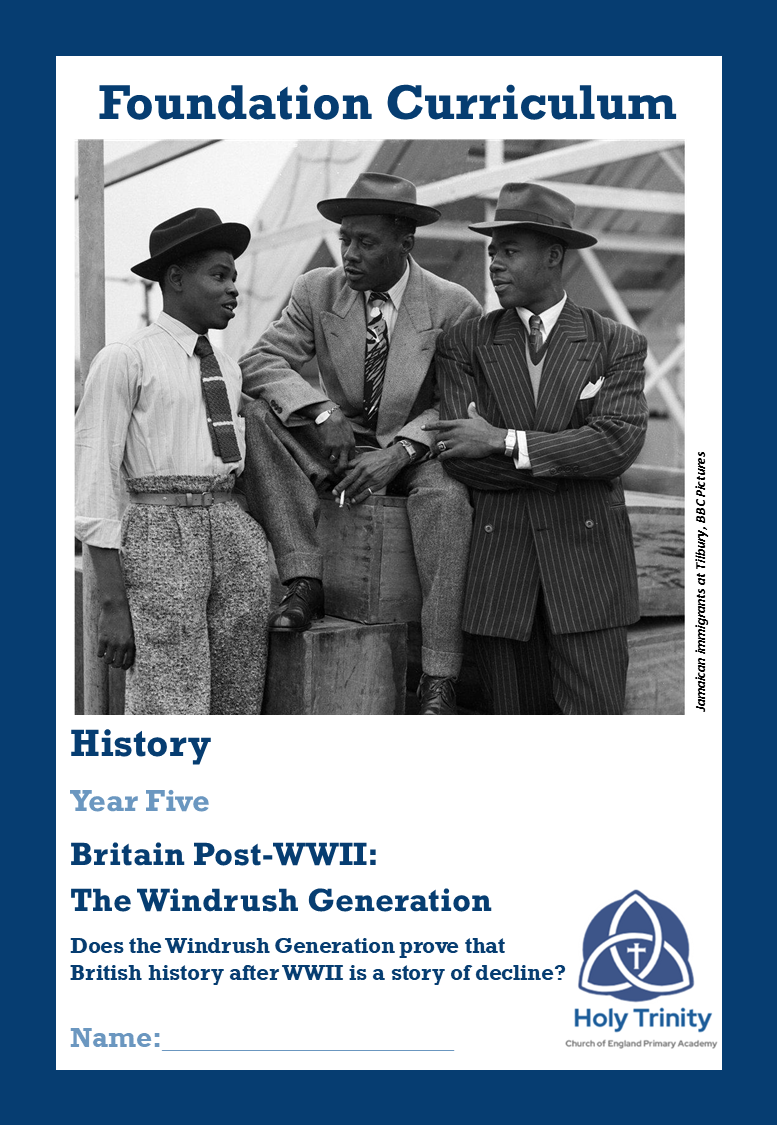
At Holy Trinity CE Primary Academy, it is our belief that Black History is not a topic to be confined to a single month, but a vital and continuous part of the story we tell about our world, our nation and our community. Rooted in our Christian ethos and guided by our commitment to cura personalis—care for the whole person—we are dedicated to nurturing every child’s understanding of themselves and others through a curriculum that is inclusive, ambitious, and reflective of the diverse society in which we live.
We do not take a tokenistic approach to Black History. Instead, we embed it meaningfully across the curriculum, ensuring that children encounter the lives, legacies, and contributions of Black individuals and communities throughout the year. From ancient African civilisations to contemporary Black British changemakers, we explore Black History as an essential perspective within both British and World History.
History Curriculum Overview
At Holy Trinity CE Primary Academy, our History curriculum is carefully sequenced to ensure progression in knowledge, understanding, and conceptual depth from Year 1 through to Year 6. Each year group explores key historical periods, significant individuals, and transformative events through rich narratives, enquiry-based learning, and meaningful connections to pupils’ lives and heritage.
Our curriculum enables pupils to develop a secure chronological framework, understand cause and consequence, and explore themes such as leadership, belief, innovation, and identity. Through studying both British and global history—including ancient civilisations, migration stories, and modern social movements—pupils gain a broad and inclusive understanding of the past and its relevance to the present.