


Design & Technology
Design & Technology at Holy Trinity CE Primary Academy
At Holy Trinity CE Primary Academy, Design & Technology is a high-status subject that helps children to think creatively, solve problems and design with purpose. We want pupils to develop practical skills, technical knowledge and the confidence to innovate—so they can create products and solutions that are functional, thoughtful and meaningful.
Our Design & Technology curriculum is informed by the Kapow Primary scheme and carefully adapted to meet the needs, experiences and context of our pupils. We have made bespoke enhancements to ensure learning is relevant, ambitious and connected to our wider curriculum, community and values.
Curriculum Drivers
Our Design & Technology curriculum is shaped by the key drivers of Windows, Mirrors and Doors, enabling pupils to explore how design impacts the wider world, recognise their own experiences and identities within design contexts, and develop the skills and aspirations to shape the future.
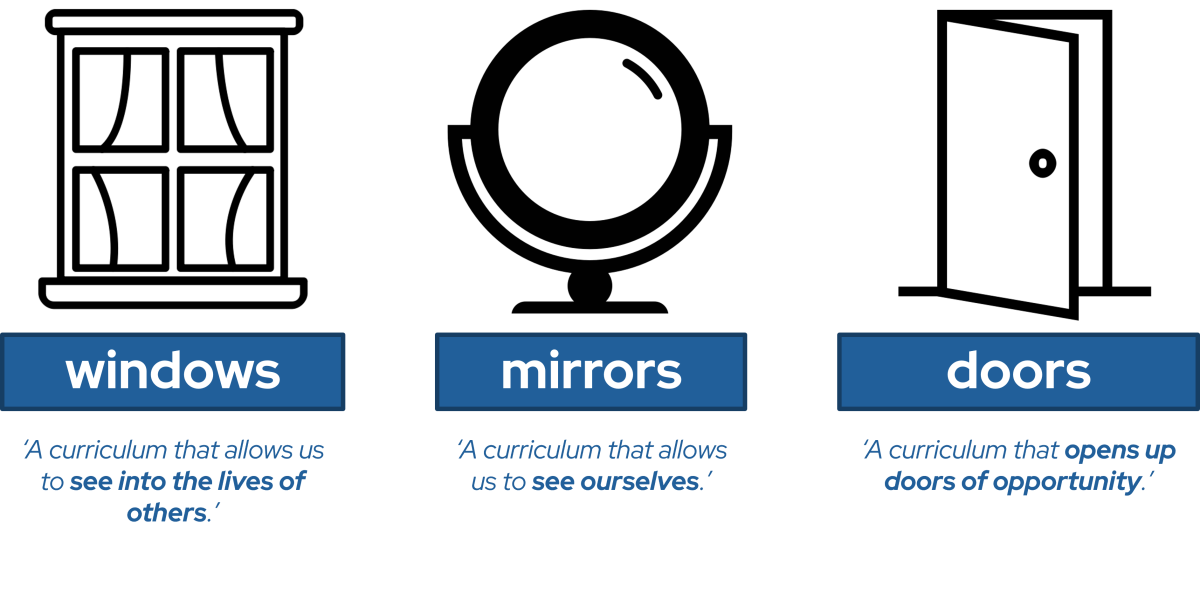
Windows: Design & Technology gives pupils windows into the wider world—exposing them to designers, engineers, inventors and technological innovations across cultures and time periods. Pupils explore how products are designed to meet human needs and improve everyday life, studying diverse examples of architecture, textiles, food technology, engineering and sustainable design from around the world.
Mirrors: Design & Technology provides mirrors so children can see themselves reflected with dignity and authenticity. We deliberately include designers, inventors and creators from a variety of backgrounds and communities so that innovation and success are not presented as belonging to one group alone. Through purposeful projects linked to pupils’ own lives, communities and experiences, children learn that their ideas, cultures and perspectives matter within the design process.
Doors: Design & Technology opens doors—developing resilience, creativity, collaboration and aspiration. Through designing, making, testing and refining, pupils learn to take risks, evaluate critically and improve their work. Children are taught that mistakes are part of innovation and that thoughtful design can make a positive difference to people and the environment. These experiences help build the confidence and practical capability needed for future learning and employment.
Design & Technology Curriculum Overview
At Holy Trinity CE Primary Academy, our Design & Technology curriculum is carefully sequenced to ensure progression in technical knowledge, practical skill and design thinking from EYFS through to Year 6. Each year group studies a range of design disciplines, materials and technologies through purposeful practical projects, high-quality examples and opportunities to investigate, create, evaluate and improve.
Our curriculum develops pupils’ understanding of the design process alongside key areas such as structures, mechanisms, textiles, food and nutrition, electrical systems and digital technology. Pupils learn to generate ideas, select appropriate tools and materials, and evaluate products against design criteria. Through studying both historical and contemporary innovations—including sustainable and culturally diverse design—children learn how design shapes the world around them and how they can become thoughtful, creative problem-solvers within it.
We also make purposeful links with Art and Design, so pupils understand how creativity, architecture and engineering work together. For example, in Year 5, pupils connect with the ‘Concrete in Charcoal’ project, exploring the design and construction of the local interchange Spaghetti Junction, through observational drawing and structural investigation. In Year 4, pupils study the life and work of architect Zaha Hadid, examining how innovative architecture combines artistic vision with technical design. These cross-curricular connections deepen pupils’ understanding of the relationship between aesthetics, function and innovation.
While informed by the Kapow Primary scheme, our curriculum has been refined to reflect the priorities of Holy Trinity CE Primary Academy, ensuring meaningful cross-curricular links, opportunities for pupil voice and projects that connect learning to real-life contexts and the local community.
Design & Technology lessons are carefully designed so pupils build technical knowledge, practical skills and meaningful outcomes. A typical sequence includes:
Retrieval and design exploration: pupils revisit prior learning and investigate existing products, materials and mechanisms using guided questioning and discussion to understand how and why things work.
Direct instruction and modelling: teachers explicitly model practical techniques, safe tool use and the design process, including planning, making and evaluating.
Research, planning and design development: pupils generate ideas, sketch and annotate designs, test materials and record their thinking using precise technical vocabulary.
Making and problem-solving: children apply practical skills to create products, adapting and refining their work as challenges arise during the making process.
Evaluation and refinement: pupils test products against design criteria and user needs, reflecting on strengths, improvements and possible adaptations.
Celebration and purposeful outcomes: finished products are shared, displayed, tested or used in meaningful contexts, helping pupils recognise the value and purpose of their designs.
Impact and Assessment
Impact is seen in:
• pupils’ growing confidence and competence in designing, making and evaluating across the key areas of Design & Technology
• increasingly sophisticated use of technical vocabulary linked to structures, mechanisms, textiles, food technology and electrical systems
• design work and project books that show research, planning, testing, refining and reflection throughout the design process
• confident, purposeful outcomes that children can explain, evaluate and improve in response to design criteria and user needs
• pupils’ ability to solve problems creatively, work collaboratively and apply practical skills with increasing independence
• children making meaningful links between Design & Technology, everyday life and future innovation through real-world contexts and purposeful projects
Free 2 Dream Hoodie Design Workshop
Our Holy Trinity ‘designers’ took part in a competition at King Edward’s Grammar School in Birmingham where they designed their own hoodies: