


Art & Design
Art at Holy trinity cE Primary academy
At Holy Trinity, Art & Design is a high-status subject that helps children to notice, create and communicate. We want pupils to develop technical skill, artistic vocabulary and the confidence to take creative risks—so they can produce work that is thoughtful, skilful and personal.
Our Art & Design curriculum is bespoke: it is carefully sequenced to build knowledge, techniques and independence over time, with strong links to literacy, culture and community.
Intent: Curriculum Drivers
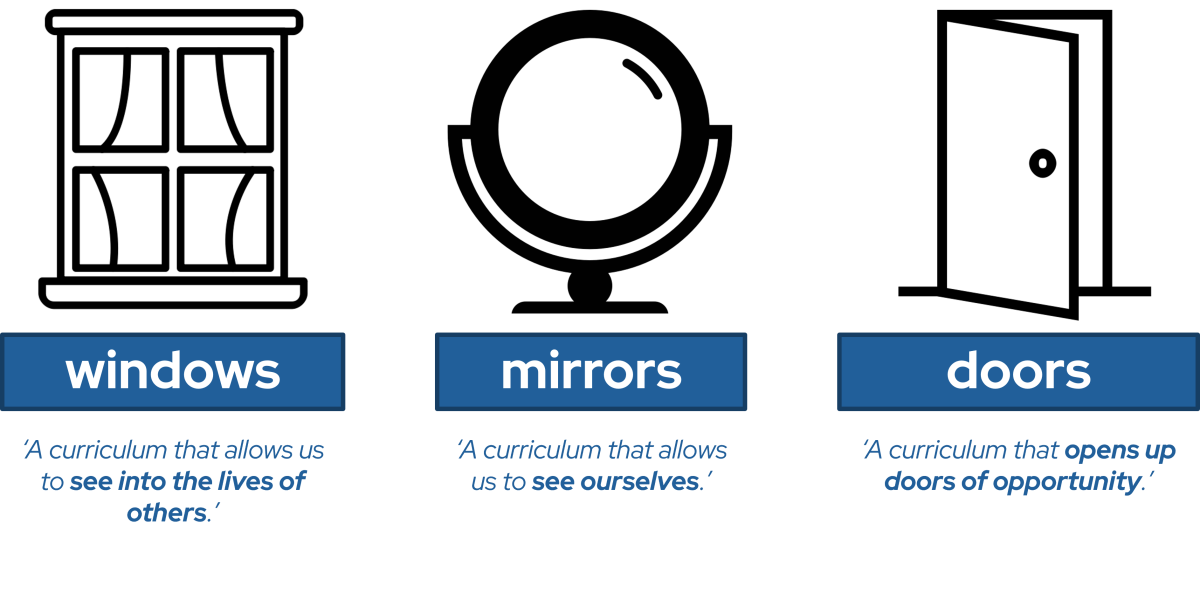
Our Art curriculum is shaped by the key drivers of Windows, Mirrors and Doors, enabling pupils to encounter artists and traditions beyond their own experience, recognise and value their identities and community, and develop the creativity and technical skill to open up future possibilities.
Windows: Art gives pupils windows into the wider world—exposing them to artists, movements and traditions across time and place. Pupils encounter global art forms (e.g. Japanese woodblock print through Hokusai) and learn how art can reveal history, culture and human experience.
Mirrors: Art provides mirrors so children can see themselves reflected with dignity and authenticity. We deliberately study artists from a variety of backgrounds—including artists who “look like” our pupils and represent diverse lived experiences—so that excellence in art is not presented as belonging to one culture or community. This is embedded through artist choices such as Amoako Boafo and Kehinde Wiley, and through units that use familiar faces and identity as purposeful subject matter (e.g. Pop Art portraits).
Doors: Art opens doors—developing confidence, creativity, and aspiration. Through high-quality outcomes, critique and exhibition, pupils learn that their ideas matter and that they can shape meaning through design and making. Children are taught to evaluate and improve, giving them the resilience to draft, refine and succeed.
Art Curriculum Overview
At Holy Trinity CE Primary Academy, our Art and Design curriculum is carefully sequenced to ensure progression in creative thinking, technical skill and artistic understanding from EYFS through to Year 6. Each year group studies a range of artists, techniques and traditions through purposeful practical work, high-quality examples and opportunities to experiment, refine and produce outcomes they are proud of.
Our curriculum builds pupils’ knowledge of the formal elements (such as line, colour, tone, texture, pattern and form), develops competence across drawing, painting, sculpture and mixed media, and strengthens their ability to evaluate and improve their work. Through studying both local and global artists and crafts—including contemporary voices and diverse cultural traditions—pupils learn to communicate ideas, respond thoughtfully to the world around them, and understand how art reflects identity, place and society.
Progression of ‘experiences’ Document
The Enacted art curriculum
Our Sketchbooks: Our Holy Trinity artists (with the exception of EYFS) use high quality, A3 sketchbooks in their art lessons. These form a vital part of their journey as artists and pupils are taught to use them to explore, experiment, play, document, rehearse and refine their knowledge and skills using a variety of tools and media. They develop a confident sketchbook habit, recognising and understanding the different expectations between the use of these art journals and exercise books used in other areas of the curriculum. Our pupils know their sketchbooks are safe spaces to be creative in and to show their individuality as artists.
Art lessons are carefully designed so pupils build knowledge and make meaningful outcomes. A typical sequence includes:
- Retrieval and “superpower of looking”: pupils learn to notice detail, not just glance—using guided questions and structured discussion. Year 4 Autumn 1 Colour Palette
- Direct instruction and modelling: teachers (and the school artist) explicitly model techniques and artistic decision-making.
- Independent practice in sketchbooks: pupils draft, experiment and label learning using precise vocabulary.
- Critique and refinement: children evaluate work and improve it, often using structured reflection (e.g. “likes, dislikes, connections, puzzles”). Year 3 Autumn 1 Colour Palette
- Celebration and exhibition: gallery walks, display and purposeful presentation of finished outcomes.
Our School Artist
A distinctive strength of Holy Trinity is our school artist, Adele Darlington, who works with pupils across key stages. This increases impact by:
- helping pupils see art as a real discipline and possible future pathway, which encourages a lasting engagement with the arts
- providing expert modelling of techniques and high expectations for quality
- supporting enrichment, self-expression and ambitious whole-class outcomes
- strengthening staff confidence through co-planning and in-class coaching
Impact and Assessment
Impact is seen in:
- pupils’ growing control of materials and techniques across the four strands Art and Design Overview
- increasingly sophisticated use of vocabulary and critique
- sketchbooks that show exploration, drafting, improvement and reflection
- confident, high-quality outcomes that children can explain and evaluate
Children’s Work
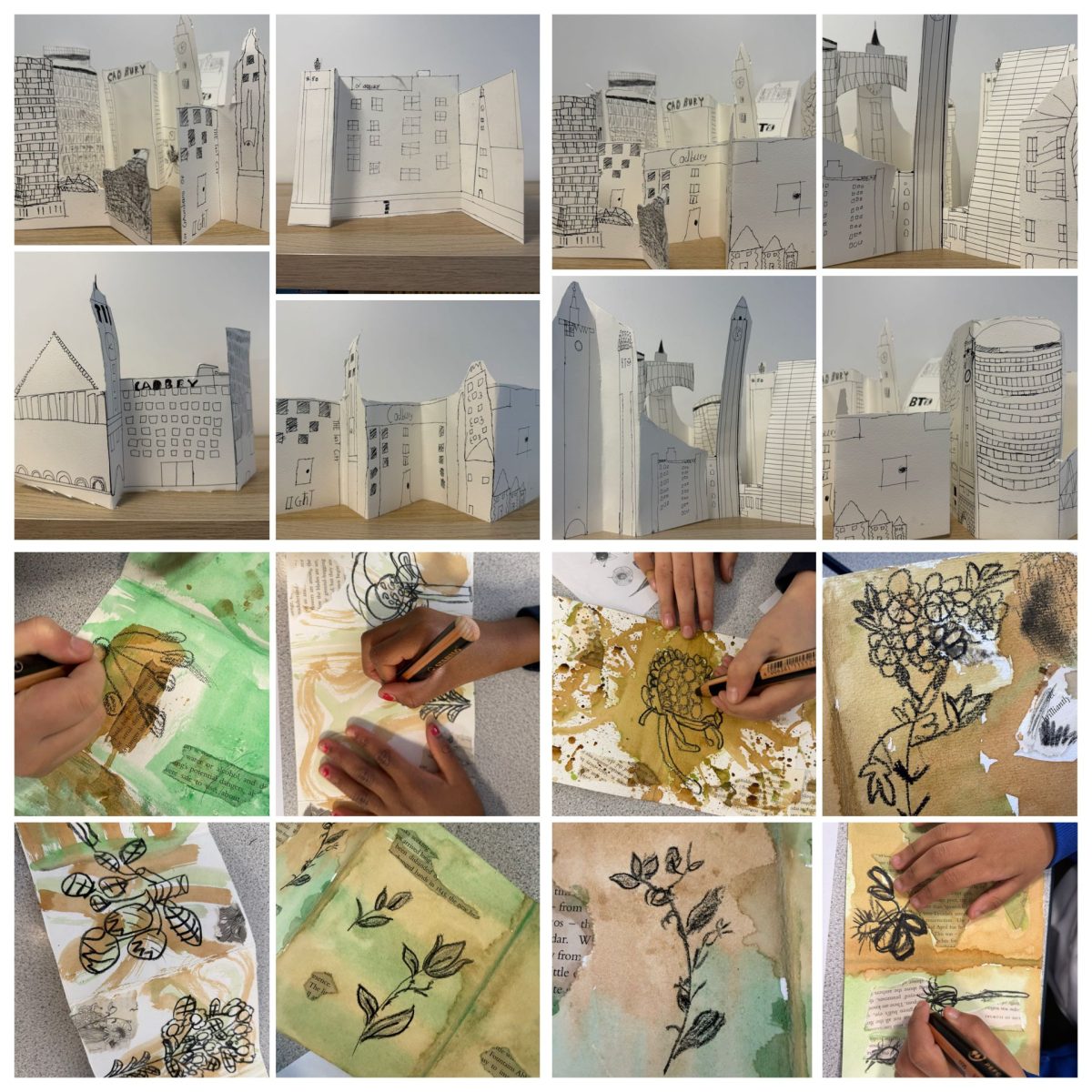
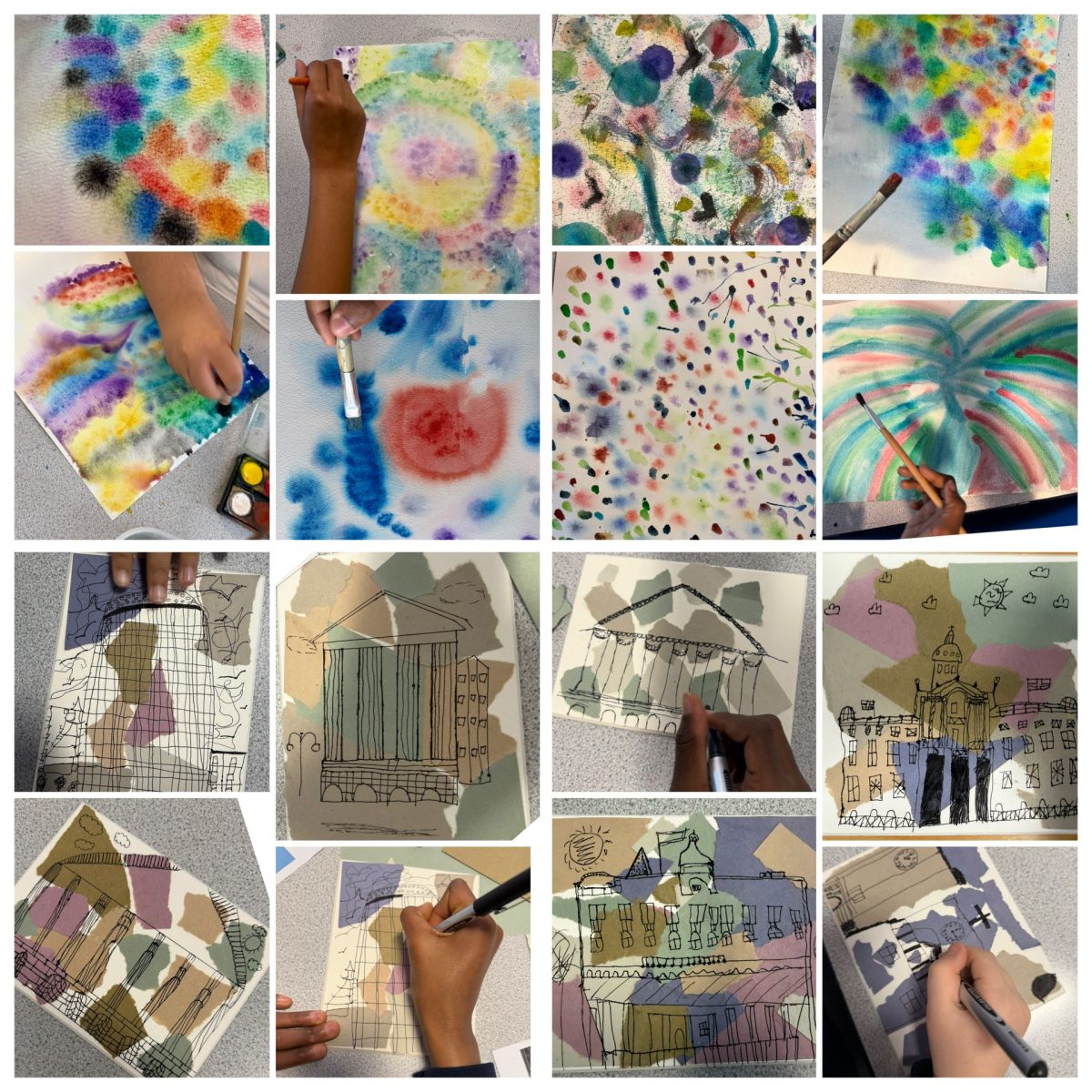
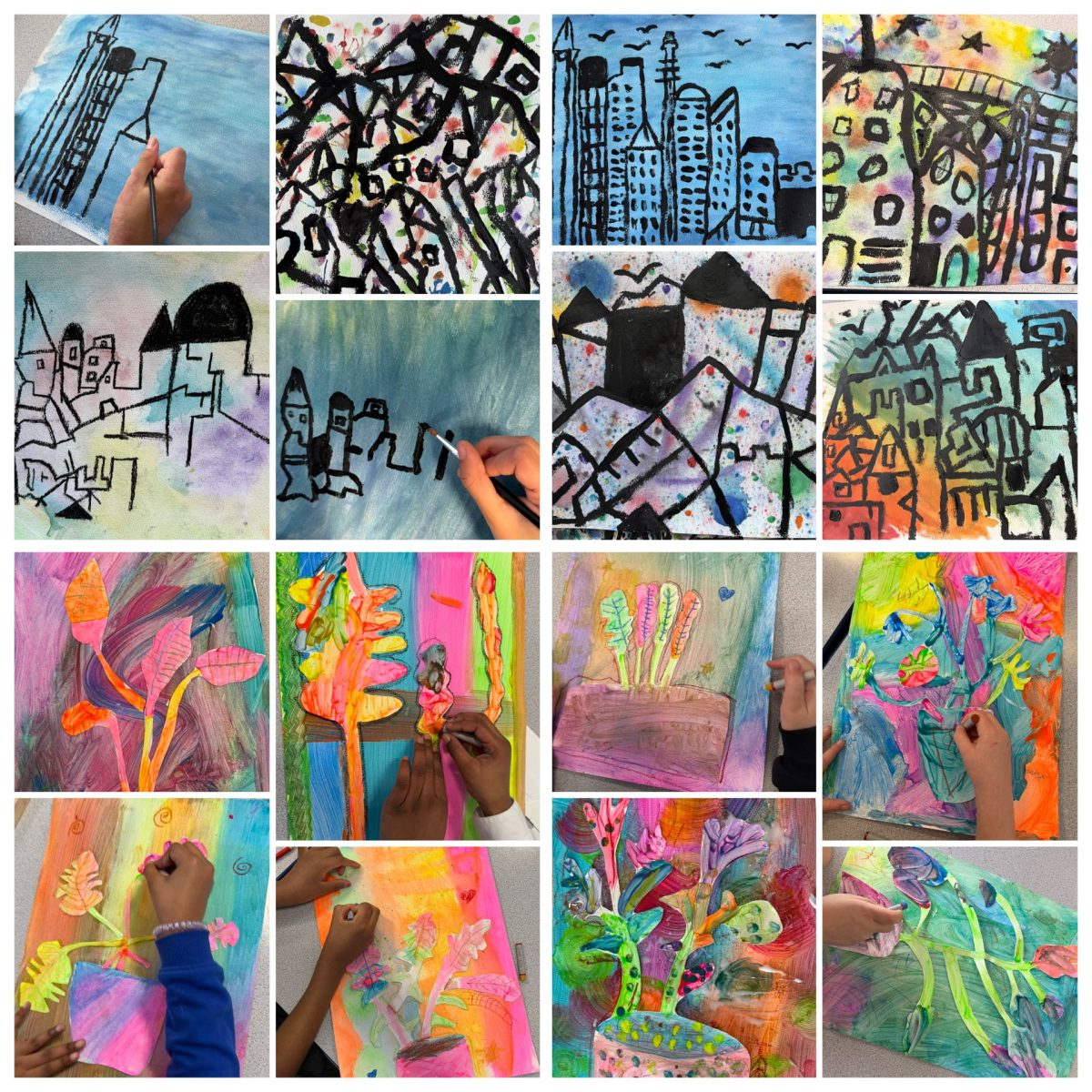
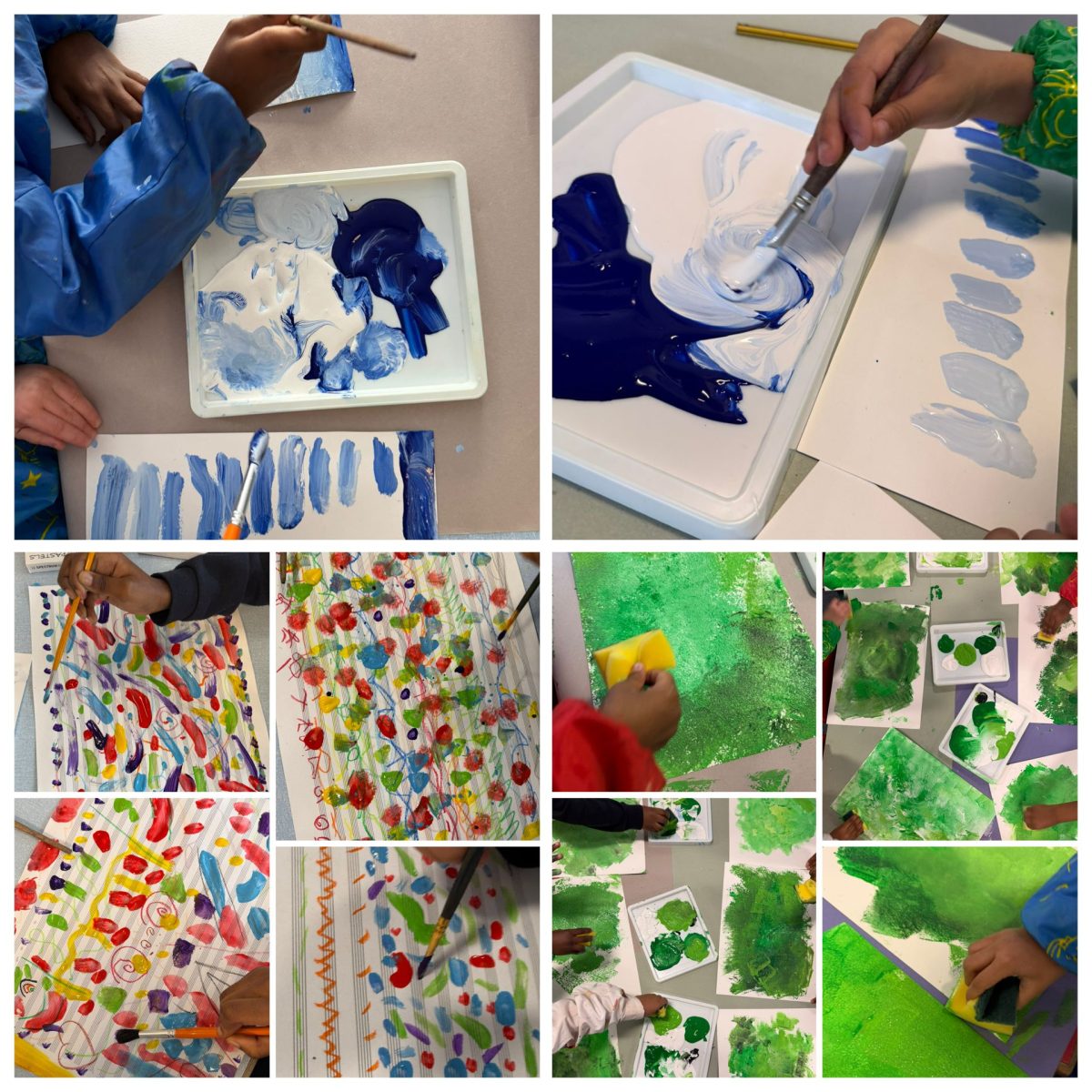
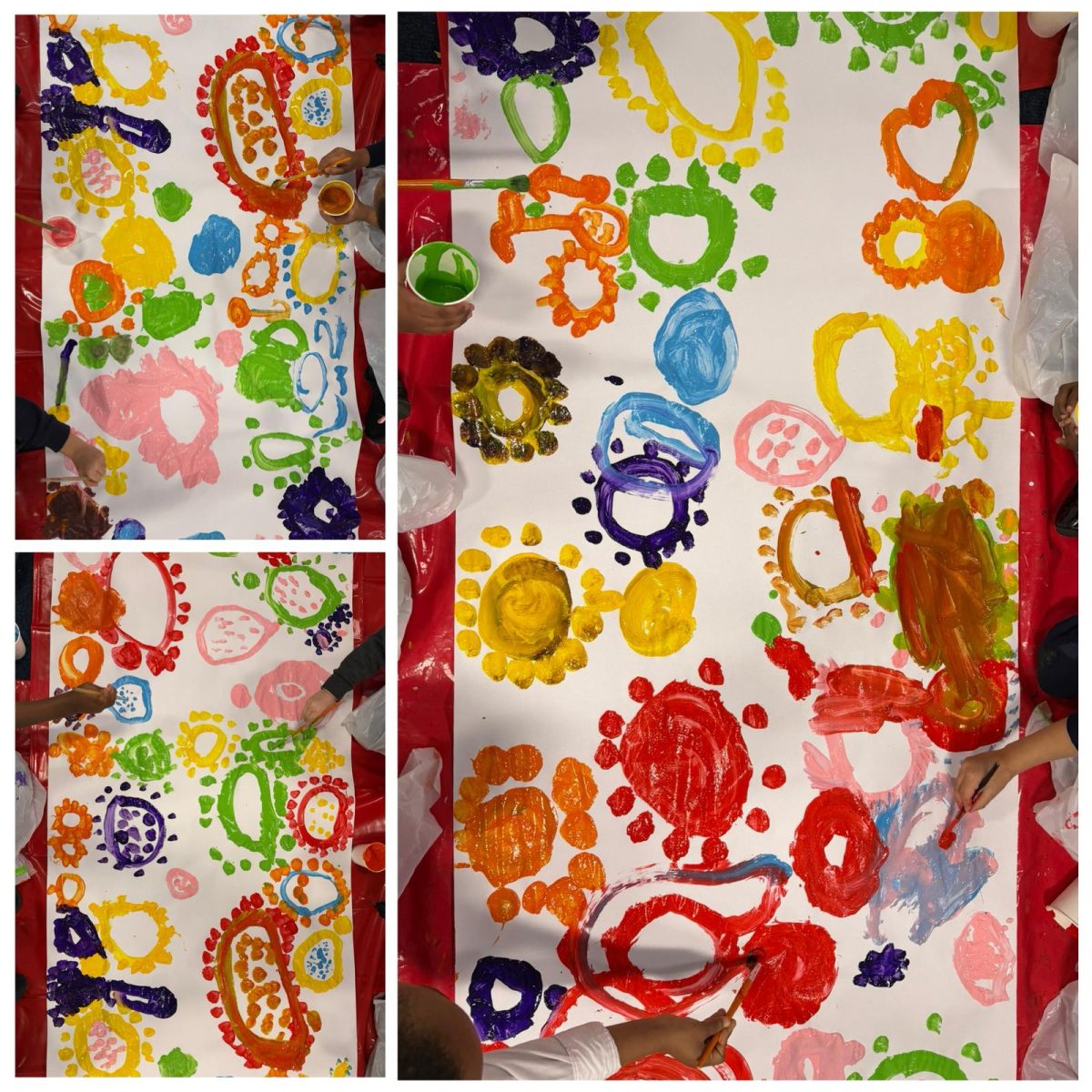
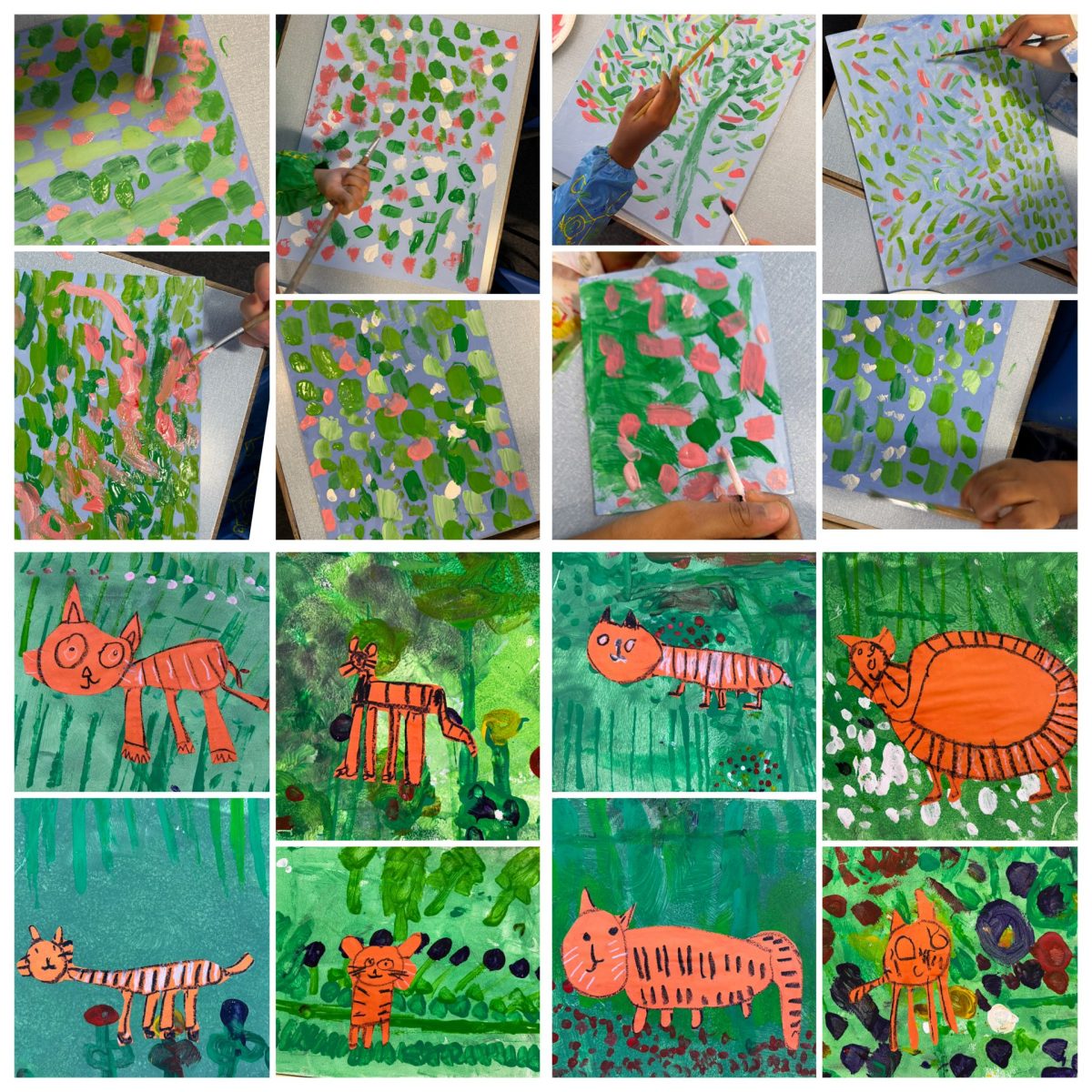
Assessment is ongoing through observation, questioning, sketchbook evidence and end-of-unit outcomes—so teachers can identify what pupils know, what they can do, and what they need next.
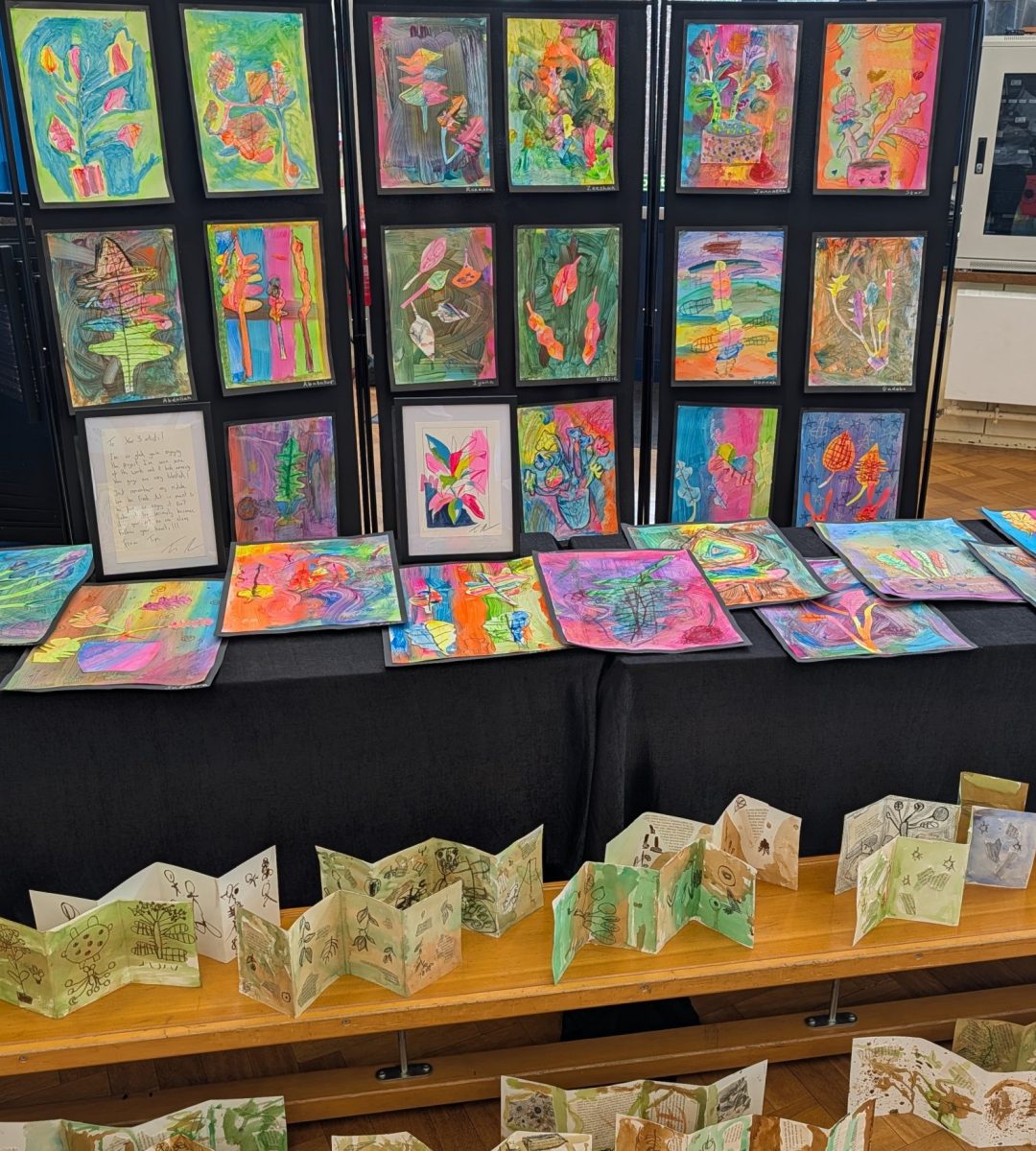
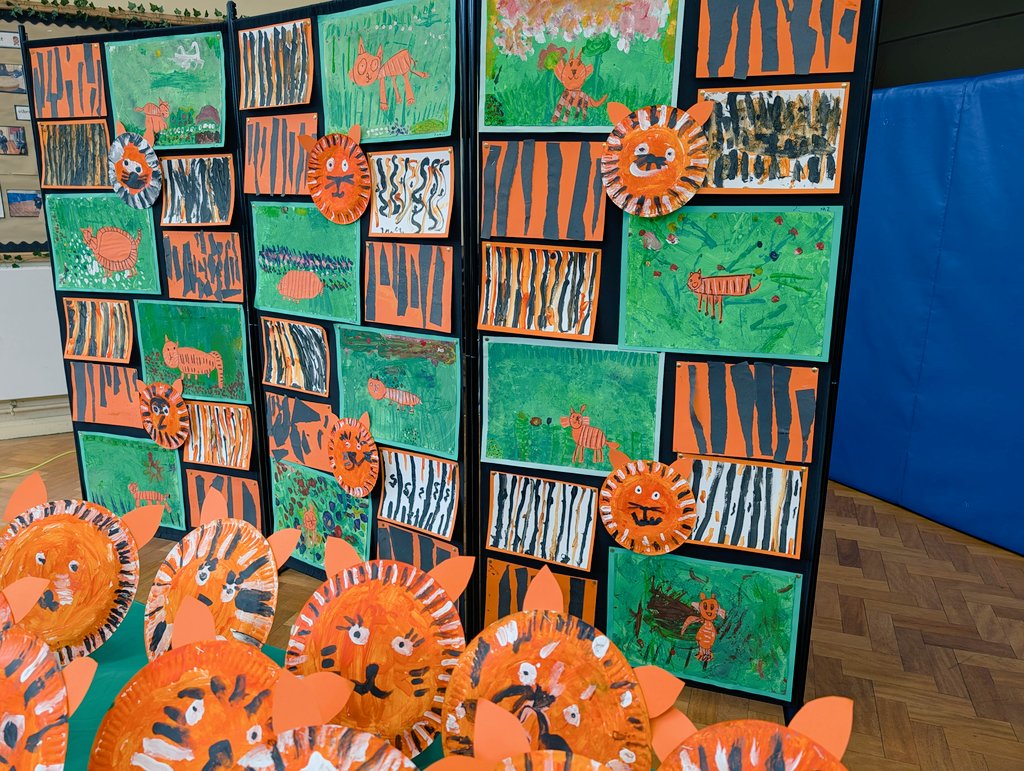
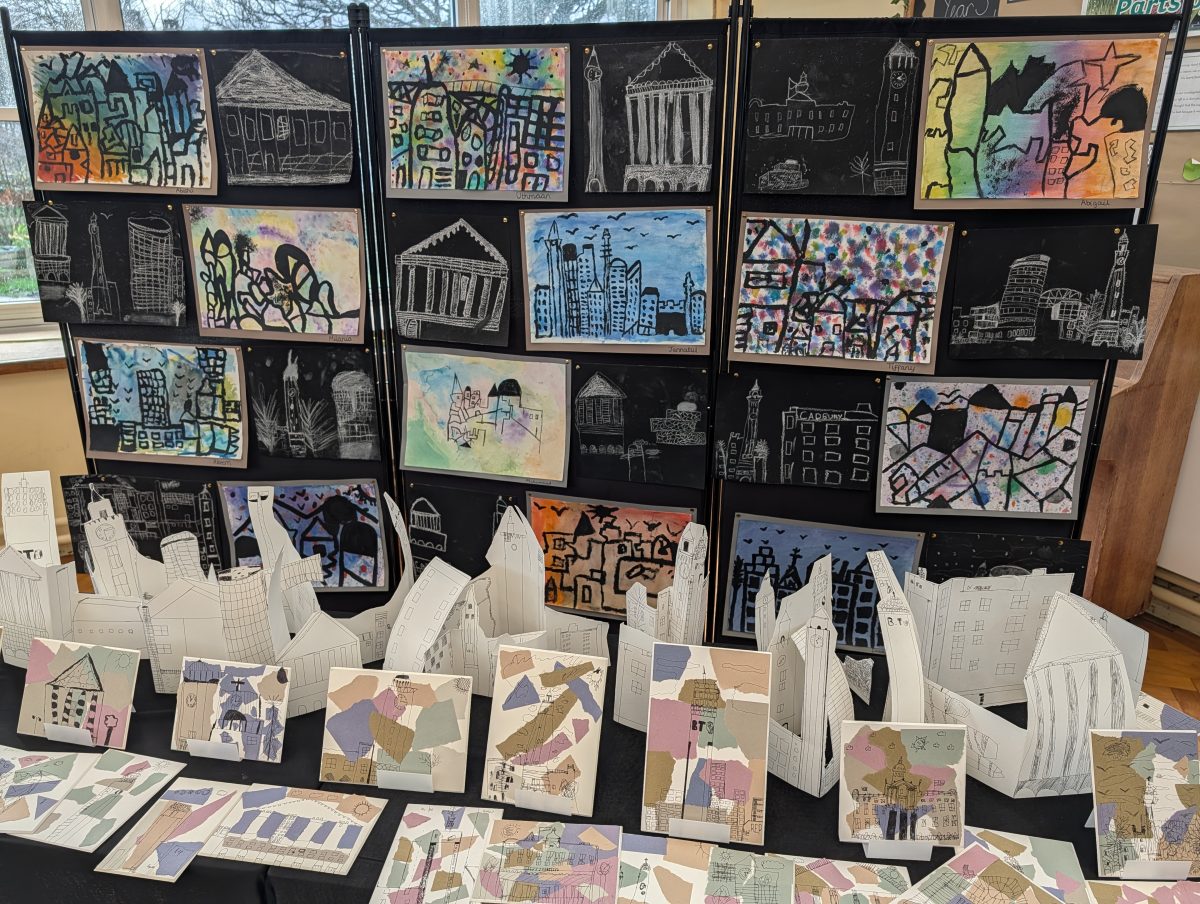
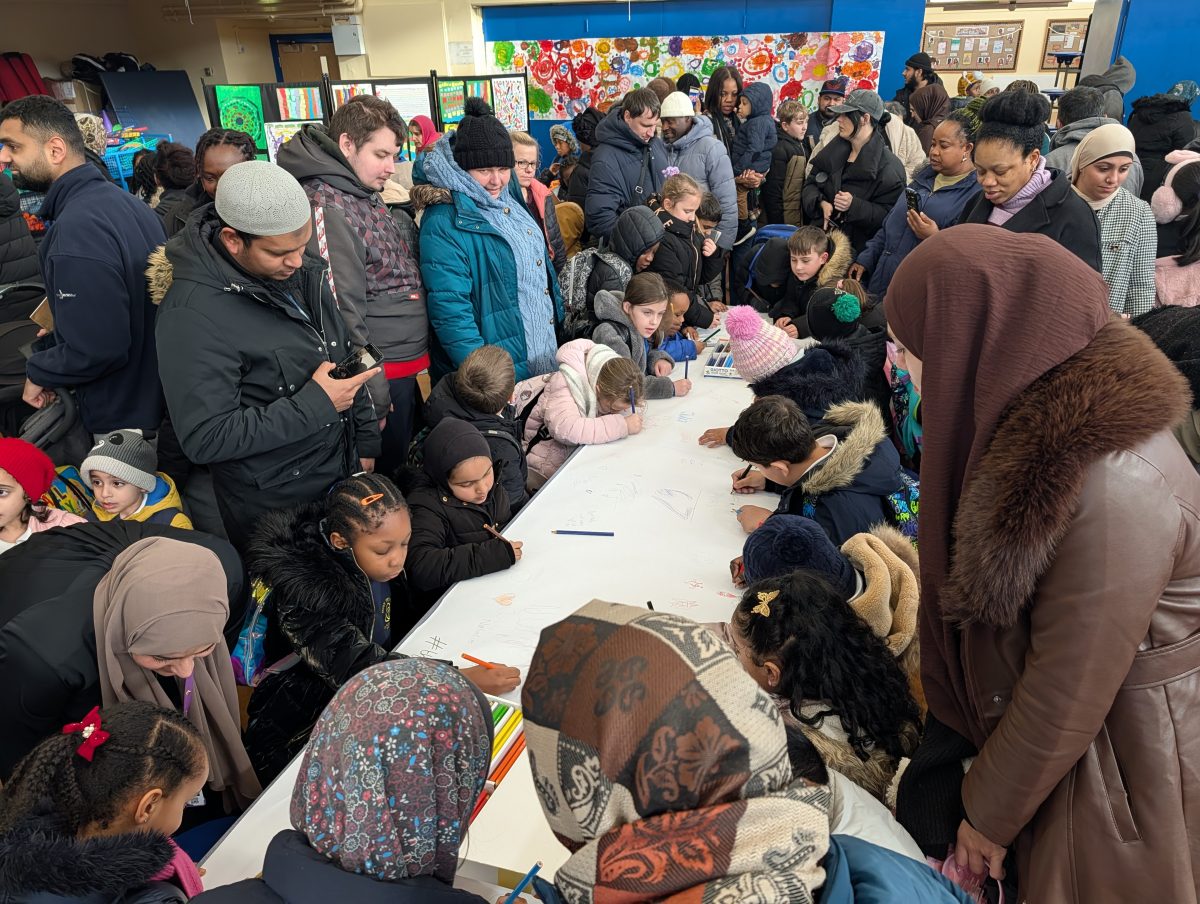
The Trinity Art Gallery
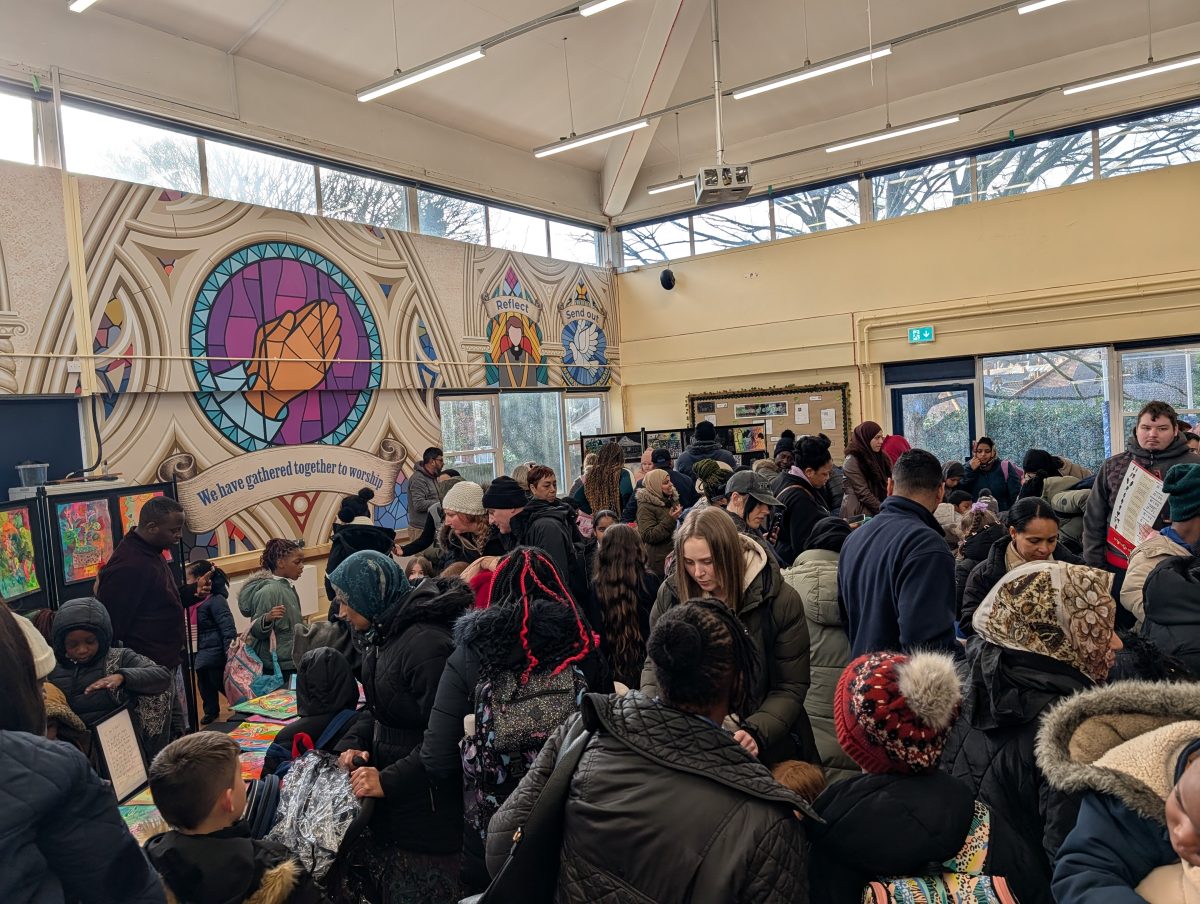
Our School artist, curates an evening of artistic appreciation where our families turn up in droves to celebrate and appreciate the work created by our children throughout the term and school year.
Holy Trinity features in Teach Primary Magazine
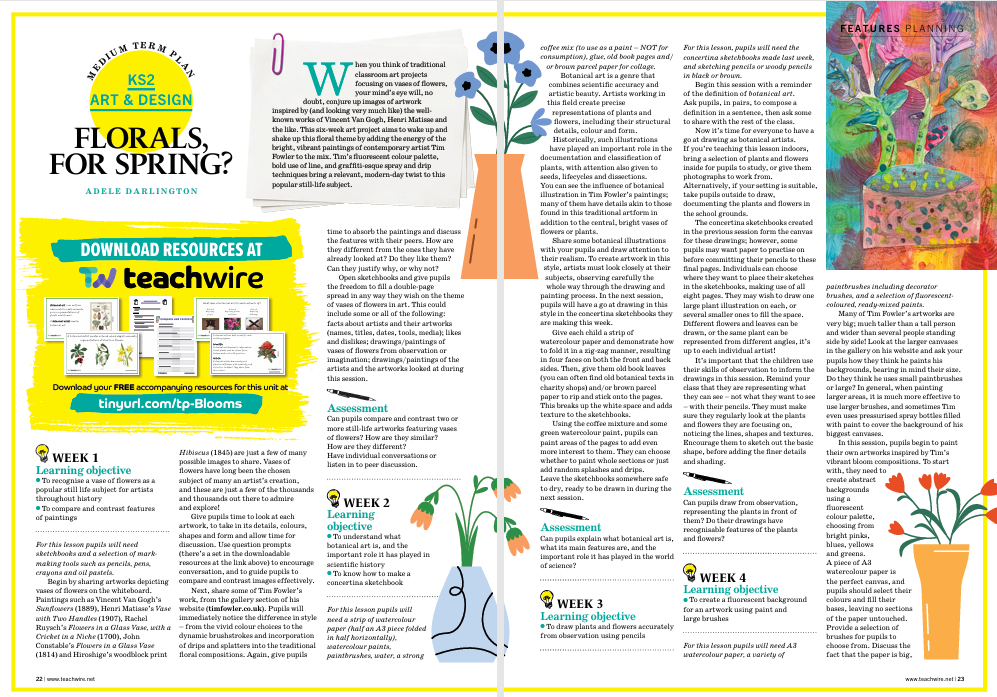
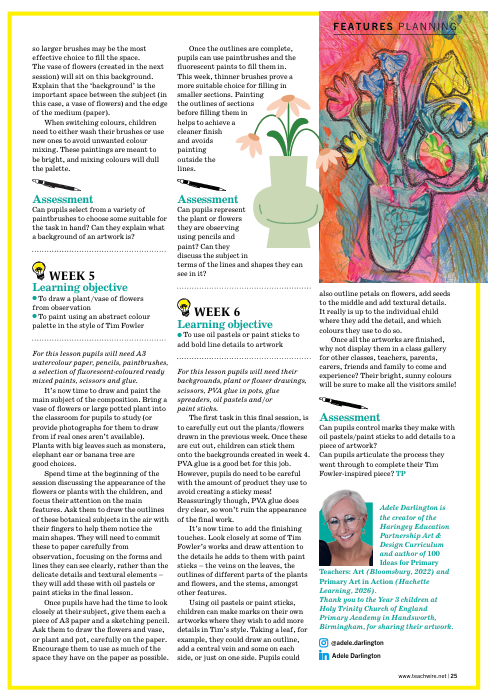
Royal Academy Arts Exhibition – London
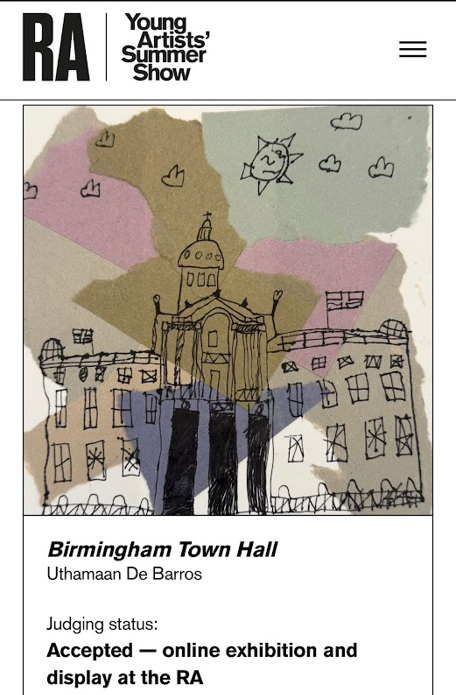
We are proud to announce that one of our pupil’s work has been selected to appear in both the online exhibition as well as the in-person exhibition for the Royal Academy Young Artists’ Summer Show.
Title: Birmingham Town Hall